
As modern buildings continue to grow in size and complexity, the demand for advanced and energy-efficient air conditioning solutions has increased significantly. One such solution that has transformed the HVAC industry is the VRF system. Known for its flexibility, efficiency, and precise temperature control, VRF technology is widely used in commercial buildings, hotels, hospitals, offices, and premium residential projects. This blog serves as a complete guide for VRF system installation, helping you understand the system, installation process, benefits, and best practices.
Understanding VRF System HVAC Technology
VRF stands for Variable Refrigerant Flow, a technology that allows a single outdoor unit to connect with multiple indoor units. The system adjusts the refrigerant flow according to the cooling or heating demand of each indoor unit. This intelligent operation makes the VRF system HVAC solution highly efficient and reliable.
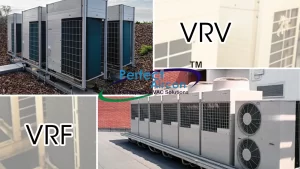
VRF systems are often compared with VRV systems. VRV is a trademarked term, but both technologies operate on the same principle. Therefore, VRV AC installation and VRF installation processes are technically similar and require the same level of expertise.
Why VRF Systems Are Preferred in Modern Buildings
One of the key reasons VRF systems are gaining popularity is their ability to provide zoned comfort. Each indoor unit can operate independently, allowing different rooms or zones to maintain different temperatures simultaneously. This is especially useful in commercial buildings where occupancy and usage vary throughout the day.
In addition, VRF systems are designed to operate efficiently even at partial loads. Unlike conventional systems that run at full capacity, VRF systems adjust performance based on real-time demand, resulting in lower energy consumption and reduced operating costs.
Importance of Proper VRF System Installation
A VRF system delivers optimal performance only when it is installed correctly. VRF system installation is a technical process that requires accurate planning, proper system design, and skilled execution. Poor installation can lead to refrigerant leakage, reduced efficiency, frequent breakdowns, and high maintenance costs.
Professional VRF installation ensures that the system operates smoothly, meets performance expectations, and provides long-term reliability. This is why choosing an experienced HVAC service provider is crucial.
Pre-Installation Planning for VRF Systems
Before starting the installation, a detailed site survey is conducted to evaluate the building layout, cooling and heating load, electrical capacity, and space availability. This step is essential to determine the correct system size and configuration.
During planning, factors such as indoor unit selection, outdoor unit placement, refrigerant piping routes, and control system integration are finalized. Proper planning ensures a smooth VRF system installation process and avoids costly modifications later.
Step-by-Step VRF Installation Process
The VRF installation process involves several critical stages, each requiring precision and technical expertise.
- Outdoor Unit Installation- Outdoor units are usually installed on rooftops or designated open areas with proper airflow. Adequate clearance is maintained to ensure heat dissipation and ease of maintenance. Proper mounting and vibration isolation help reduce noise and enhance system durability.
- Indoor Unit Installation- Indoor units are installed based on room size, design, and airflow requirements. These units can be wall-mounted, ceiling-mounted, or concealed ducted units. Correct positioning and secure installation are important for efficient cooling and proper drainage.
- Refrigerant Piping Installation- Refrigerant piping is a crucial part of VRF system installation. Copper pipes connect indoor and outdoor units, and their size and length must comply with manufacturer guidelines. Proper brazing, pressure testing, and insulation are necessary to prevent leaks and energy loss.
- Electrical and Control Wiring- Electrical wiring includes power supply connections and communication cables between units. Advanced control systems allow users to monitor and control individual zones efficiently. Proper wiring ensures smooth communication within the VRF system HVAC setup.
- Vacuuming and Commissioning- After installation, the system undergoes vacuuming to remove moisture and air from the refrigerant lines. This step is followed by refrigerant charging and system commissioning to verify performance and safety.
VRF Installation vs VRV System Installation
Although VRF and VRV systems are similar, the terms are often used differently in the industry. VRV system installation follows the same principles as VRF installation but may differ slightly based on manufacturer specifications.
Both systems require specialized tools, trained technicians, and strict adherence to installation standards. Whether it is VRV AC installation or VRF system installation, professional execution is key to achieving optimal results.
Common Challenges in VRF Installation
Improper system sizing is one of the most common issues that can affect performance. Incorrect refrigerant piping practices, poor insulation, and inadequate drainage can also lead to operational problems.
Lack of skilled manpower and ignoring manufacturer guidelines may result in frequent system failures. These challenges highlight the importance of hiring experienced professionals for VRF installation projects.
Benefits of Professional VRF System Installation
Professional installation ensures higher energy efficiency, reduced downtime, and longer system life. Expert technicians follow standardized procedures and manufacturer recommendations, minimizing the risk of errors.
A professionally installed VRF system also ensures compliance with safety and environmental regulations, making it a reliable long-term HVAC solution.
Maintenance After VRF System Installation
Regular maintenance is important to maintain system efficiency and reliability. This includes cleaning filters, checking refrigerant levels, inspecting electrical components, and monitoring system performance.
Proper maintenance helps prevent unexpected breakdowns and ensures consistent comfort throughout the year.
Why Choose the Perfect Aircon for VRF Installation?
Perfect Aircon is a leading name in HVAC solutions, offering expert services in VRF system installation, VRV system installation, and VRF system HVAC solutions. With a skilled technical team and a commitment to quality, Perfect Aircon delivers customized solutions according to client requirements.
From design and installation to maintenance and support, Perfect Aircon ensures complete customer satisfaction.
Conclusion
This blog has provided a complete guide for VRF system installation, covering system fundamentals, installation steps, benefits, and best practices. VRF systems are an ideal choice for modern buildings seeking energy efficiency, flexibility, and superior comfort.
With proper planning, professional installation, and regular maintenance, VRF systems deliver exceptional performance and long-term value. If you are planning VRF or VRV AC installation, partnering with an experienced company like Perfect Aircon ensures a successful and hassle-free project.