A commercial HVAC system works behind the scenes to keep offices, retail stores, hospitals, hotels, factories, warehouses, restaurants, and other commercial spaces comfortable throughout the year. Because these systems often operate for long hours, even a small problem can gradually affect cooling performance, energy consumption, indoor air quality, and equipment life.
This is why commercial HVAC preventive maintenance should be treated as a regular part of facility management rather than something done only when the air conditioner stops working. Planned maintenance helps identify developing problems early, keeps equipment operating efficiently, and reduces the chances of unexpected breakdowns during periods of heavy use.
For businesses, preventive maintenance can also make HVAC costs more predictable. Instead of dealing with sudden repair bills and operational interruptions, facility managers can schedule inspections and servicing according to the equipment and building requirements.
Perfect Aircon provides HVAC solutions and services for commercial and industrial applications. In this guide, we will explain what preventive maintenance involves, why it matters, what should be checked, and how businesses can create an effective maintenance routine.
What Is Commercial HVAC Preventive Maintenance?
Commercial HVAC preventive maintenance is the planned inspection, cleaning, testing, adjustment, and servicing of heating, ventilation, and air-conditioning equipment before major problems occur.
Unlike reactive maintenance, where technicians respond after equipment fails, preventive maintenance focuses on identifying issues at an earlier stage.
A maintenance program may include checking filters, coils, electrical connections, refrigerant-related components, fans, belts, motors, drains, thermostats, dampers, and other parts depending on the type of HVAC system.
The exact maintenance requirements vary according to equipment type, operating hours, building conditions, manufacturer recommendations, and environmental factors.
Why Is HVAC Preventive Maintenance Important?
Commercial HVAC equipment represents a significant investment, so keeping it in good operating condition is important for both performance and long-term value.
One of the major advantages of HVAC preventive maintenance is that it can help identify worn or malfunctioning components before they develop into larger failures. For example, a dirty filter may appear to be a small issue, but restricted airflow can place additional stress on the system and affect cooling performance.
Regular maintenance can also help maintain efficient operation. When coils become dirty, airflow is restricted, or components are not functioning correctly, the system may need to work harder to achieve the desired indoor temperature. Preventive servicing therefore supports a more reliable and efficient HVAC system.
What Does Commercial HVAC System Maintenance Include?
There is no single checklist that applies to every commercial HVAC installation. However, a professional commercial HVAC system maintenance program generally includes several important areas.
Air Filter Inspection and Replacement
Filters collect dust, dirt, and airborne particles before air passes through the HVAC system. Over time, they become loaded with contaminants and can restrict airflow.
Filters should be inspected regularly and replaced or cleaned according to their type and operating conditions. Buildings with high occupancy, dust, pollution, or continuous operation may require more frequent attention.
Clean filters help maintain airflow and can also contribute to better indoor air quality.
Evaporator and Condenser Coil Cleaning
Coils play an important role in the heat-transfer process. Dirt and debris accumulated on coil surfaces can reduce heat-transfer efficiency.
The evaporator coil and condenser coil should therefore be inspected and cleaned as required. Proper cleaning helps maintain heat exchange and allows the system to operate under more suitable conditions.
Refrigerant System Inspection
For refrigeration-based cooling equipment, technicians should inspect the system for signs of leakage or abnormal operating conditions.
Refrigerant-related problems can affect cooling capacity and compressor performance. If a leak is suspected, it should be identified and repaired rather than simply adding refrigerant repeatedly.
Refrigerant handling should always be performed by appropriately trained professionals following applicable requirements.
Electrical Connections
Electrical connections, terminals, contactors, capacitors, controls, and other electrical components should be inspected for signs of wear, overheating, corrosion, or loose connections.
Electrical issues can affect system reliability and, in some cases, create safety risks. Preventive inspection can help identify problems before they cause equipment failure.
Fans, Blowers, and Motors
Fans and blower assemblies are responsible for moving air through the HVAC system. During maintenance, technicians can check their operation, bearings, belts, alignment, vibration, and general condition.
Abnormal noise or vibration should not be ignored. These can sometimes indicate problems with bearings, alignment, mounting, or rotating components.
Drain Lines and Drain Pans
Air-conditioning systems can produce condensate during normal operation. Drain lines and pans must remain clear so that water can leave the system properly.
Blocked drains can cause water leakage and may damage ceilings, walls, insulation, or nearby equipment. Regular inspection and cleaning of condensate drainage components are therefore important.
HVAC Preventative Maintenance and Energy Efficiency
Energy consumption is a major concern for commercial buildings. HVAC systems can represent a substantial portion of a building’s electricity usage, particularly in regions where cooling is required for much of the year.
HVAC preventative maintenance can support energy efficiency by keeping major components clean and operating correctly.
For example, clean filters can support proper airflow, clean coils can improve heat transfer, and correctly functioning fans and motors can reduce unnecessary operating stress.
Maintenance does not automatically guarantee a specific percentage of energy savings because actual results depend on equipment condition, building design, operating schedules, climate, and other factors. However, keeping equipment in good condition is an important part of responsible energy management.
Air Conditioning Preventive Maintenance for Commercial Buildings
Cooling equipment often operates continuously during hot weather, making air conditioning preventive maintenance especially important for commercial facilities.
Before the peak cooling season, businesses should consider a detailed inspection of their air-conditioning equipment. This can help identify potential issues before cooling demand reaches its highest level.
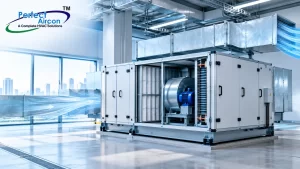
For large buildings, maintenance may involve multiple air-handling units, outdoor condensing units, chillers, pumps, cooling towers, ductwork, controls, and associated equipment.
A planned maintenance schedule helps facility managers organize these activities without unnecessarily disrupting normal operations.
Commercial HVAC Preventative Maintenance Checklist
A practical maintenance program can include:
- Checking and replacing air filters.
- Inspecting evaporator and condenser coils.
- Checking refrigerant-related components.
- Inspecting electrical connections and controls.
- Checking motors, fans, and blowers.
- Inspecting belts and pulleys where applicable.
- Cleaning condensate drains and pans.
- Checking thermostats and sensors.
- Inspecting dampers and air-handling components.
- Checking abnormal noise and vibration.
- Inspecting ductwork and visible insulation.
- Reviewing system operating performance.
- Recording maintenance findings and corrective actions.
Not every item needs to be performed at the same frequency. Some tasks may be monthly, while others may be performed quarterly, seasonally, or annually depending on the system.
How Often Should Commercial HVAC Maintenance Be Done?
The ideal maintenance frequency depends on the type of HVAC equipment and the conditions in which it operates.
A small office with limited operating hours may have different maintenance requirements from a factory, shopping mall, hospital, hotel, or large commercial complex operating around the clock.
High-dust environments, heavy occupancy, long operating hours, and extreme outdoor conditions can increase maintenance requirements.
Rather than following a generic schedule alone, facility managers should consider manufacturer recommendations and the actual operating conditions of their equipment.
Benefits of a Preventive Maintenance Program
A properly planned maintenance program can provide several long-term advantages.
- Fewer unexpected breakdowns: Regular inspections can identify developing problems before they result in major failures.
- Better cooling performance: Clean and properly adjusted components can help the system maintain the desired indoor conditions.
- Improved equipment life: Regular servicing can reduce the impact of neglected maintenance on important components.
- More predictable maintenance costs: Planned servicing makes it easier to schedule repairs and replacement of worn components.
- Improved indoor comfort: Proper airflow and functioning controls help maintain consistent indoor temperatures.
- Better indoor air quality: Clean filters and properly maintained air-handling components can contribute to cleaner indoor air.
Preventive Maintenance vs Reactive Maintenance
Reactive maintenance means waiting until equipment develops a problem and then arranging repairs. While this approach may seem economical initially, unexpected failures can result in downtime, emergency service costs, and disruption to business activities.
Preventive maintenance takes a different approach. Equipment is inspected and serviced at planned intervals, allowing potential problems to be addressed before they become serious.
For commercial buildings where HVAC failure can affect employees, customers, products, or business operations, preventive maintenance is generally a more organized approach to equipment management.
Why Choose Perfect Aircon?
Perfect Aircon provides HVAC solutions for commercial and industrial requirements, with a focus on reliable air-conditioning and ventilation performance.
Every commercial building has different cooling requirements, operating schedules, equipment configurations, and environmental conditions. Therefore, maintenance should be planned around the actual HVAC installation rather than using exactly the same checklist for every site.
Professional inspection can help identify maintenance priorities and ensure that important components receive attention at suitable intervals.
Whether the requirement involves routine servicing, equipment inspection, troubleshooting, or broader HVAC system support, an experienced HVAC service provider can help businesses maintain their systems more effectively.
Conclusion
Commercial HVAC preventive maintenance is an important part of keeping heating, ventilation, and air-conditioning equipment reliable, efficient, and ready for continuous operation. Instead of waiting for a breakdown, businesses can use planned inspections and servicing to identify potential problems early.
From filter replacement and coil cleaning to electrical inspection, drain maintenance, fan servicing, and refrigerant-system checks, each task contributes to the overall health of the HVAC system.
Regular commercial HVAC preventative maintenance can also support better comfort, equipment longevity, indoor air quality, and predictable maintenance planning. For businesses that depend on uninterrupted cooling and ventilation, preventive maintenance is not simply an expense—it is an investment in reliable building operations.
With a properly designed HVAC preventive maintenance schedule and professional servicing from an experienced provider such as Perfect Aircon, commercial and industrial facilities can keep their HVAC systems performing effectively throughout their operating life.